Home E-mail Ordering/Contact Info
PRS Fender Gibson Ibanez Acoustic & Ac/Elec Misc
Electric Archtops Basses Lefty
Amplifiers Misc Instruments Guitar Effects Keyboards Pro-Sound Parts Links Repairs
KEYBOARDS & GEAR
(click blue
text for pics)
STANDS AND ACCESSORIES
1.
Boss FV-50L, low
impedance stereo volume pedal, sells for $79.99 in the stores but grab this
mint one for just $55

2.
EI Padded Gigbag,
for 76-note keyboard, quality Canadian made, heavy canvas with very thick
padding and leopard print furry interior, excellent protection for your
valuable keyboard for just $45

3.
Kaces Keyboard Case - 76 Note, new, fits most 6-octave
keyboards, $74 List - $45 Sale.

4.
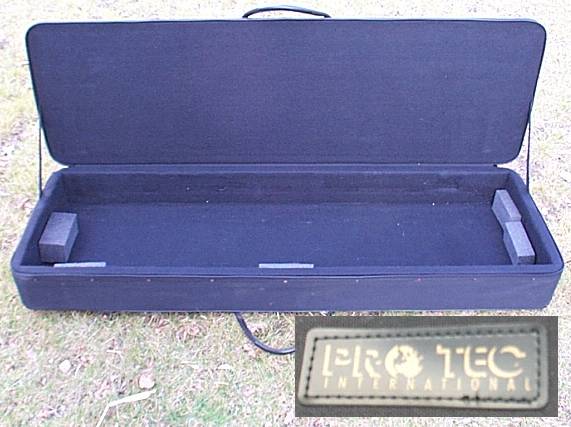
Protec
88-key case, styro reinforced sides, $85
5.
Rok
Sak 4-space rack, nicely padded,never
roaded and perfect condition, $39 or $10 off for each
piece of rackmount gear. Buy 3 pieces of gear and it's free.

KEYBOARDS, SOUND MODULE, AMPS
NOTE:Free Rack - buy any 2 or 3 full-size
keyboard rack units below and I'll throw in a quality 2 or 3-space rack free of
charge, value of $49 to $99.
1.
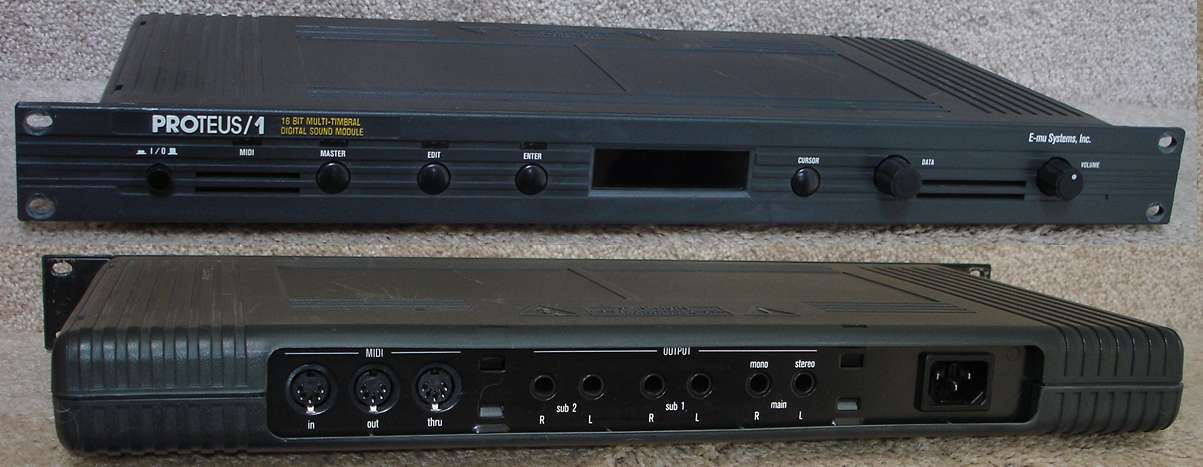
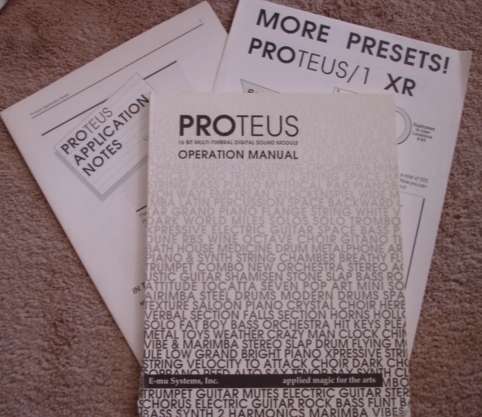
E-mu Proteus1 Rackmount
Synth (click lower right of pic to expand). (Now includes manual and docs)
Slightly less powerful than the M3R but beautifully simple to use and the
variety of cool patches is no less impressive, 191 different sounds in all with
2 Megs of ROM to work with. Also features 32 note polyphony, 16 parts multi-timberal, 6 audio outputs, and quality 16 bit samples taken
directly from the E-mu III factory disks. The tones on this thing are
phenomenal, at least to a hack keyboard player such as myself. You already have
keys and you just want some cool tones - here you go - just $150
2.
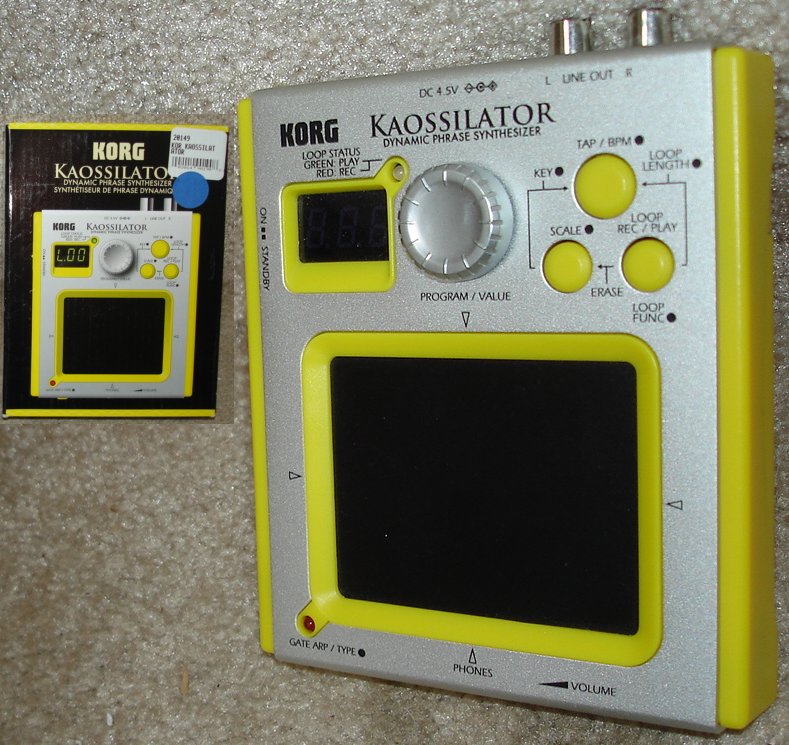
Korg Kaossilator
Dynamic Phrase Synth. Unbelievable tones in this little thing. A lot of
old-school fat analog synth tones with grit added to taste, cool built-in drum
machine, bass-keys-drum pattern and tone changes simultaneously while moving
your finger across the pad, realizing "talk box" effect...these are a
few of the things that struck me as soon as I plugged this unit into my amp,
and I was getting around very well without reading a single line about
operation. Don't let the look fool you - this is a synth. No keys, no midi, but
a synth nonetheless. There are a load of features associated with this unit and
rather than try to list them here, click
here for all the info from Korg. Click here to see a demo
on many of the sounds and looping features, and here for a demo from
"The Yellow Album", a collection on iTunes of 14 songs, all recorded
entirely on the Kaossilator, straight to the line
outs, with no other effects or editing. List price is $250, this one is mint in
the box for $139. Runs for a long time on four AA batteries or add Korg power
supply (pic)
for $14.99 more.

3.
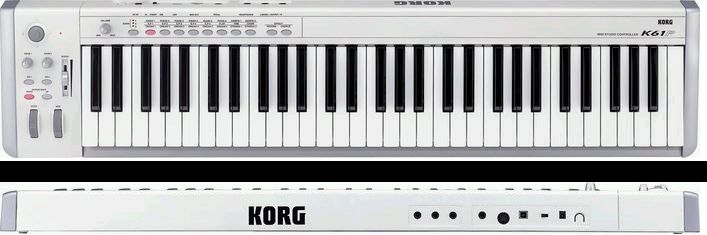
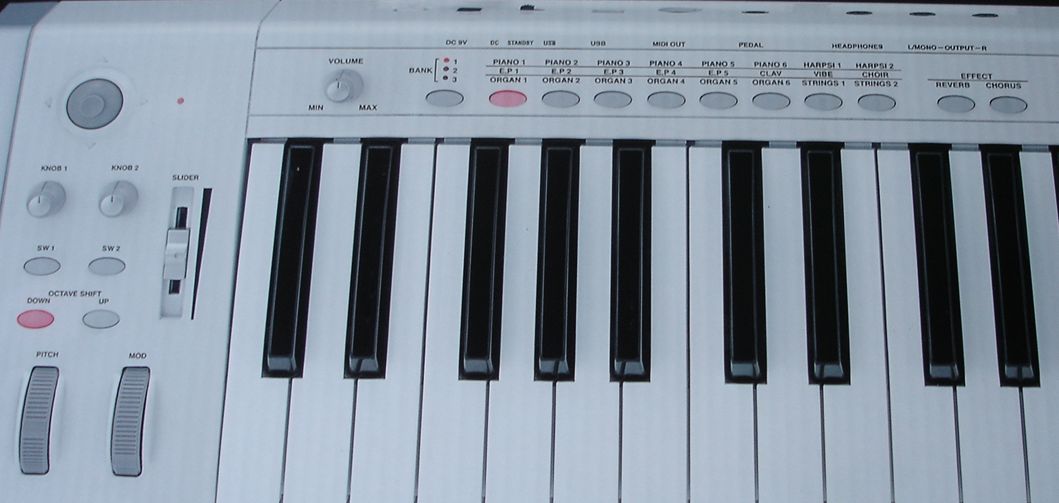
Korg K61 USB Midi Keyboard
Controller, (pic2),
(close-up). A lot of
features for the money and while it's tailor made for USB recording, it works
great as a simple performance keyboard just plugged straight into an amp. It
features solid, full-size keys, and a selection of four velocity curves
(including a fixed level - great for mimicking organs and early mono synths) that tailor the keyboard response to match any
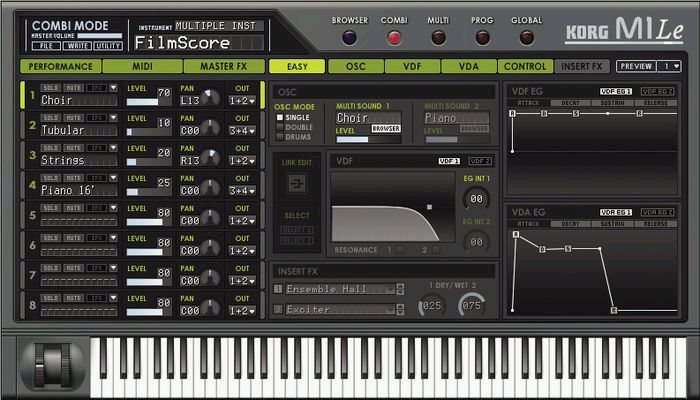
performer. Includes Korg's M1 Le software (screen shot) that
contains all of the preset sounds and all of the PCM waveforms of the original
famed M1 keyboard virtually turning the K61 into an M1.List price on these was
$450 and they're an excellent buy for the home recordist
- or an extra performance board for just $225.

4.
Korg M3R Rackmount Synth
(click lower right of pic to expand). (Now includes manual, quick cards,
etc.) The M3R was, roughly, the rack version of the M-1, albeit with a few less
frills - but it still has that unmistakable TONE of with Korg's famed AI
synthesis. Bright and airy patches not found in a lot of digital units. M3R has
3 megs of Multisound waveform data which is 1 meg
less than the original M1 but a lot of power nonetheless. Plus there are tons
of Korg and 3rd party sounds available via sound cards that plug in the front
of the unit. Personally, I use these for the presets and I can guarantee that
you won't need any help pressing the up and down button to scroll through all
the patches. Like the M-1, it has 4 outputs, great for multi-track recording or
sub-mixes. Very nice condition and a cool and powerful addition to any keyboard
setup for $150(HOLD-Tim S 9/22).


5.
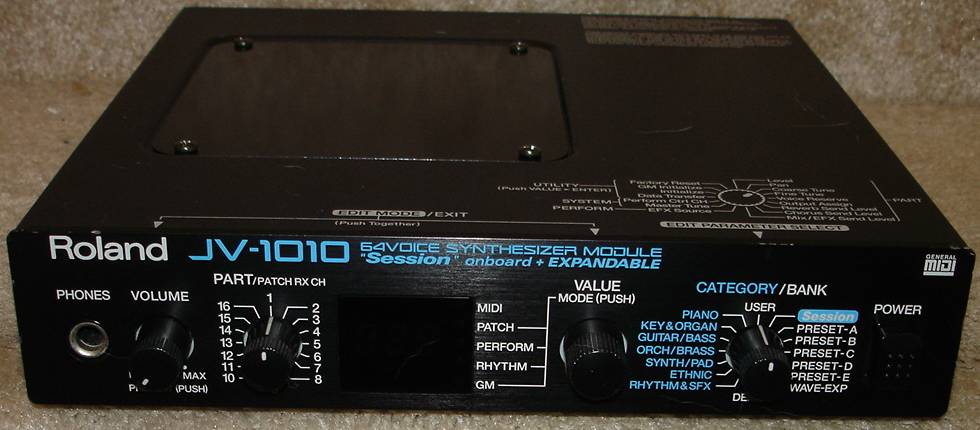
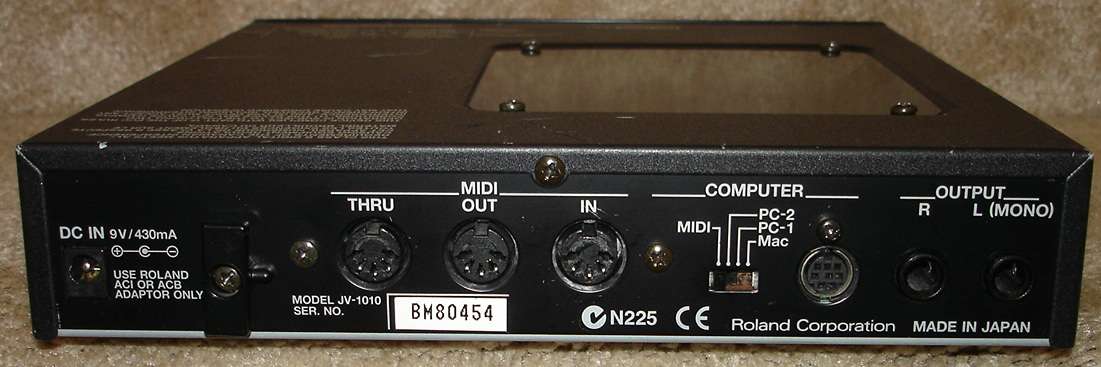
Roland JV-1010 Synth Module
w/expansion, (back).
A lot of power in a half-rackspace. Includes 8MB
Expansion Card (Orchestral II). If you want some classic Roland sounds, plus a
lot more, check this out The JV-1010 has the full sound set of the professional
JV-1080 and 2080 modules. With 640 preset and 128 user patches, that's a lot of
phat sounds in a skinny package. Plus, all 255 sounds
from the Session wave expansion board are included. Pristine stereo grand
pianos, acoustic guitars, Juno, Jupiter, TB-303, 18 rhythm sets and tons more.
Also has an expansion slot for any JV80 Series board (Asian, Orchestral, Hip
Hop, Techno, Bass & Drums, Vocal, Country, World, etc.). In total, with the
8 meg expansion card you get over 1,200 patches, all in a 64-voice polyphonic,
16-part multitimbral unit with dedicated Reverb,
Chorus and Multi-effects. Sounds are easy to find, grouped into categories
(Piano, Key/Organ, Guitar/Bass, etc.) and banks can be selected with a simple
Category/Bank Select knob. The innovative Phrase Preview function plays back
the selected tone in a short musical phrase. Sound editing software for Mac and
PC, used in conjunction with the JV-1010's rear-panel computer serial-interface
plus it's General MIDI compatibility make this an excellent sound module for
use with your computer. A lot of power and just tons of easy to access tones -
for just $250. Includes
original manual and power supply.
6.
Roland CM-32P, like a
U-220, uses standard U-series sound cards, with power supply, $150

7.
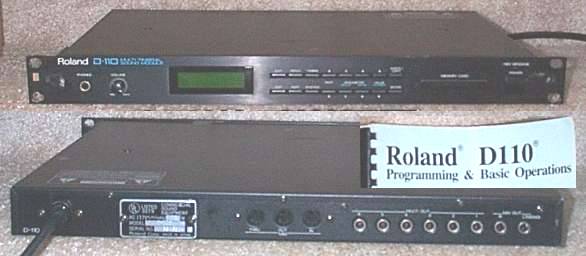
Roland D-110 keyboard
module, great for synth guitar setup, If you already have a keyboard, here's a
nice unit to midi up and expand your tonal options for just $135
8.
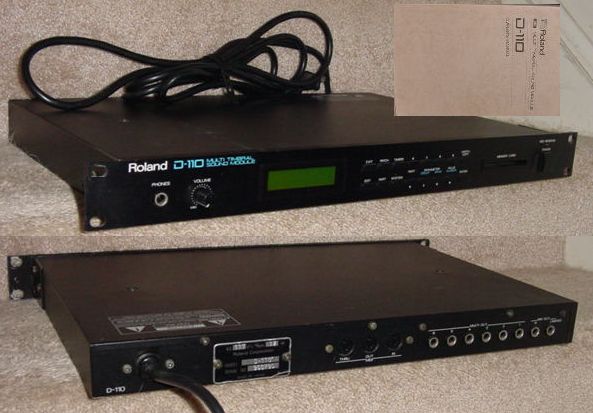
Roland D-110 rackmount
synth (rackmount version of the D-10 keyboard), original list was $800, rack
version of the D-10 with improvements such as 6 individual audio outputs, clean
shape with original manual. If you already have a keyboard, here's a nice unit
to midi up and expand your tonal options for just $150
9.
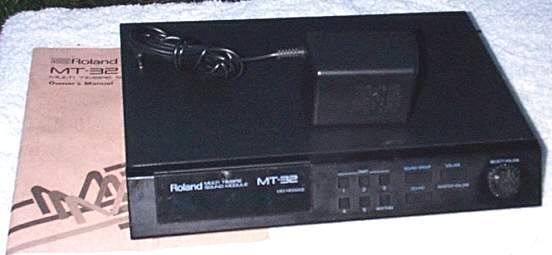
Roland MT-32 multi-timbral sound module w/drums, w/manual and power supply. If
you already have a keyboard, here's a nice unit to
midi up and expand your tonal options for just $75.
10.
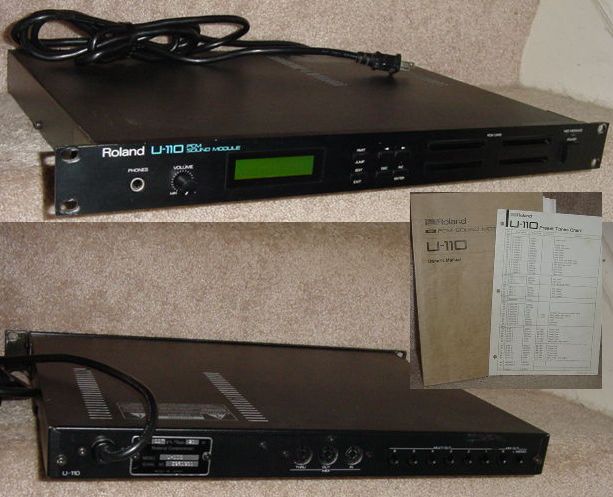
Roland U-110, rackmount
sound module, original list was $1100, contains internal sounds plus has four
sound card slots for external patches, $99
11.
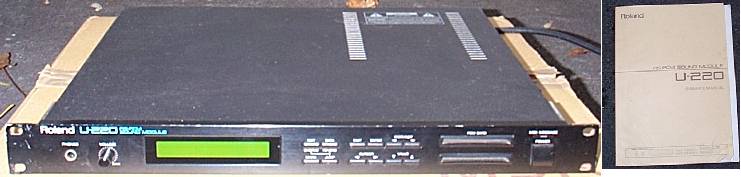
Roland U-220 Sound Module,
$160
12.
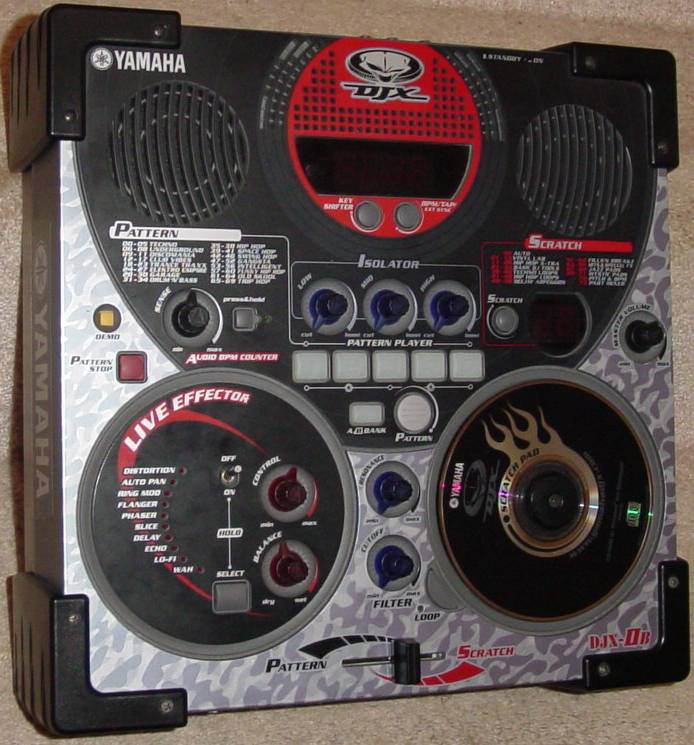
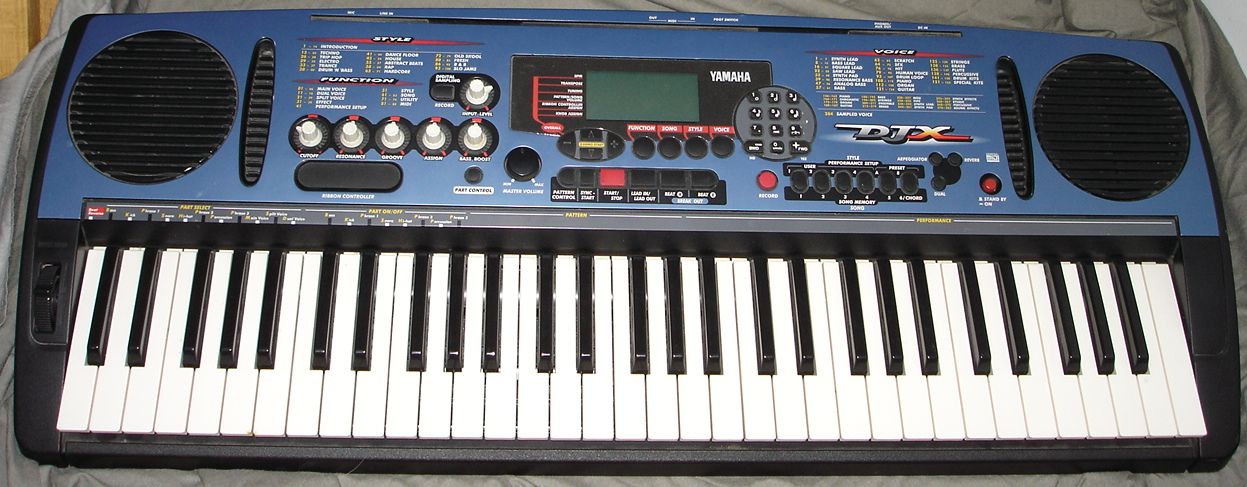
Yamaha DJX-IIB - Groove Box
and Yamaha
DJX-IIB Keyboard - I have both the keyboard models and the "mixer
only" type models in stock. Yamaha's DJXIIB music and effects
box--affectionately known as "The DJ Box That Rocks"--gives you
digital power and versatility alongside an enormously phat
'n' funky analog sound. The MIDI (musical instrument digital interface)-capable
box produces a total of 70 preset rhythm patterns, five user-adjustable
patterns, and 10 variations against which you can mix your favorite music, or
not, as the situation demands. An ultracool scratch
pad with auto function is in the house to help you get your grooves smokin'. You get true, 32-note polyphony and dynamic
control over the timbre or tone of each MIDI-accessible voice, just as you
would with an acoustic instrument. There are 203 voices total, 180 musical
sounds plus 23 drum kits. There's even an audio beats-per-minute counter--the
DJXIIB accepts an audio input of whatever song you're playing and automatically
locks to the rhythm by auto-adjusting its bpm.
Enhance your productions with sophisticated digital effects using the box's
onboard DSP (digital signal processing) using Yamaha's Advanced Wave Memory
technology. The DSP lets you warp, distort, and slice your music for creative
effect. A pair of built-in 3-inch, 6-watt speakers lets you audition your
music; each speaker is ported for accentuated bass response. Connections
include MIDI in/out, a stereo analog (left/right) RCA line out, a .25-inch
headphone jack for private listening, and a BMP input (RCA). Keyboards are
$150-$199; DJX mixer units are $85 to $125.